The U.S. military draws strength from relationships built with international partners who facilitate the Armed Forces’ ability to project into foreign theaters, and this is especially true within the Western Hemisphere.
Many of our partners operate alongside the United States or independently against shared security threats. These partnerships enhance military readiness to defend the nation, along with the capacity of service personnel and the firepower in our arsenal.
Strategic partnerships have been crucial to the U.S. military’s ability to succeed in the Western Hemisphere amid crossborder security challenges. Many of these partnerships are based on the common foundation of a commitment to shared democratic principles. This lays the groundwork for mutual respect, trust, and cooperation.
The U.S. Southern Command (SOUTHCOM), the structure responsible for coordinating the U.S. military’s personnel, assets, and resources across Central and South America and the Caribbean, has prioritized strengthening partnerships with allies in the hemisphere, something that can be done through strategic engagement and exchange.
Partnerships form a competitive advantage
Cultivating trust with democratic partners over time has given the United States a unique competitive advantage in the Western Hemisphere. But America must continue to invest in building relationships through cooperation, capacity building, respectful exchange, and goodwill to sustain and expand them. This is especially true given that China has sought to expand its own military diplomacy toward Latin America and the Caribbean in recent years.
U.S. military diplomacy with counterparts and security officials throughout the Americas provides the United States with a distinctive edge against actors from outside the region like China and Russia, which are competing for influence in the Western Hemisphere.
Military-to-military collaborations and exchanges have helped to establish strong foundations, deepening relationships with counterparts in the hemisphere. These partnerships aren’t just about joint security operations. They help sustain intelligence sharing, law enforcement cooperation, economic ties, institutional resiliency, and broader U.S. engagement with friendly nations and allies across the region.
Here are four ways that the United States has strengthened our own national security, as well as regional stability by building robust relationships with regional partners:
1. Military-to-military training and education
The U.S. military conducts a variety of regional training exercises through the National Guard State Partnerships Program. These initiatives facilitate the interoperability of U.S. and partner militaries, while also enhancing the professionalism and capacities of regional militaries and defense institutions to address security challenges within their own countries. Many of these exercises occur annually, and the recurrent events solidify institutional relationships.
International Military Education and Training programs are also extended to individual officers and service members of partner countries across the Americas.
- Some programs are run by U.S. military branches, such as the Inter-American Air Forces Academy in Texas, which provides coursework in Spanish and graduates approximately 200 service members each year from 23 eligible partner nations in Latin America and the Caribbean.
- The U.S. Army trained more than 37,000 students from 30 countries in the Americas from 2001 to 2025 through its Western Hemisphere Institute for Security Cooperation in Georgia.
- SOUTHCOM extends educational opportunities to senior enlisted personnel and officers to increase leadership development and capacity-building within the militaries of key partner countries such as Colombia and the Dominican Republic.
2. Humanitarian and disaster response missions
Humanitarian assistance and global health missions provide U.S. forces with opportunities to exercise, expand, and fine tune their field skills in peacetime settings, working alongside foreign military and civilian personnel. Many of these missions are conducted through Joint Task Force-Bravo, a key forward operating base and logistical hub for SOUTHCOM based at Soto Cano Air Force Base in Honduras.
The humanitarian missions contribute to U.S. military partnerships by establishing practicable lines of communication in an operational setting. For instance, the 2026 Lesser Antilles Medical Assistance Team annual mission included emergency preparedness training to first-line responders in Guyana while serving 3,000 patients in the country.
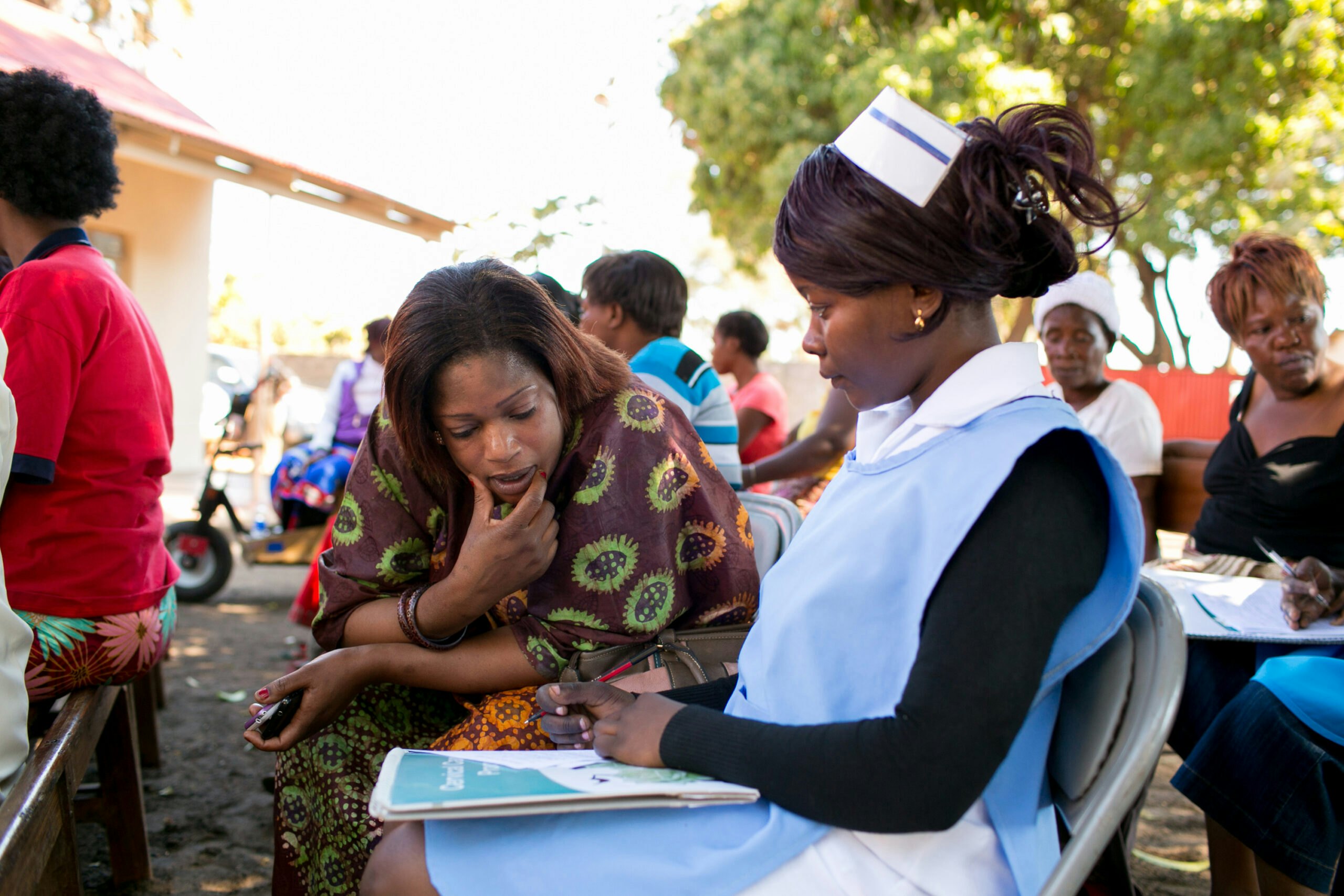
Providing medical and other humanitarian services to local communities, on behalf of regional governments that invite the United States to do so, is also an act of compassion that reflects and builds trust.
Military participation in disaster response missions coordinated by the U.S. State Department also contributes to reestablishing local stability during crises. In these missions, the U.S. military helps partner governments meet critical humanitarian needs when local services are stretched thin, such as in the immediate aftermath of hurricanes and other natural disasters.
3. Technical assistance
The U.S. Army Corps of Engineers (USACE) coordinates with SOUTHCOM and the State Department on strategic infrastructure development projects such as ports, water management, highways, bridges, and military bases that contribute to security in more than 17 countries in the Western Hemisphere.
Some of these projects, such as USACE involvement in expanding Guatemala’s principal Pacific port, Puerto Quetzal, have seen USACE receive follow-on contracts for linked projects that will be financed by the local government.
4. Advancing human rights protection frameworks
Retired Army General Laura Richardson, then the SOUTHCOM commander, declared in 2022 that human rights are a “north star – it’s in everything that we do.” The protections for human rights woven into every aspect of SOUTHCOM’s regional engagements reflect the professionalism and unity of the militaries serving democratic countries across the Western Hemisphere, she said at the time.
Over the past three decades, considerations for human rights became an integral part of SOUTHCOM operations. SOUTHCOM regulations require all personnel under its jurisdiction to take human rights awareness education and be issued a standing orders card clarifying a zero-tolerance policy for human rights violations.
Through its Human Rights Initiative, SOUTHCOM has engaged with more than 14 signatory countries and one regional organization to develop human rights protection policies within their respective defense and security forces.