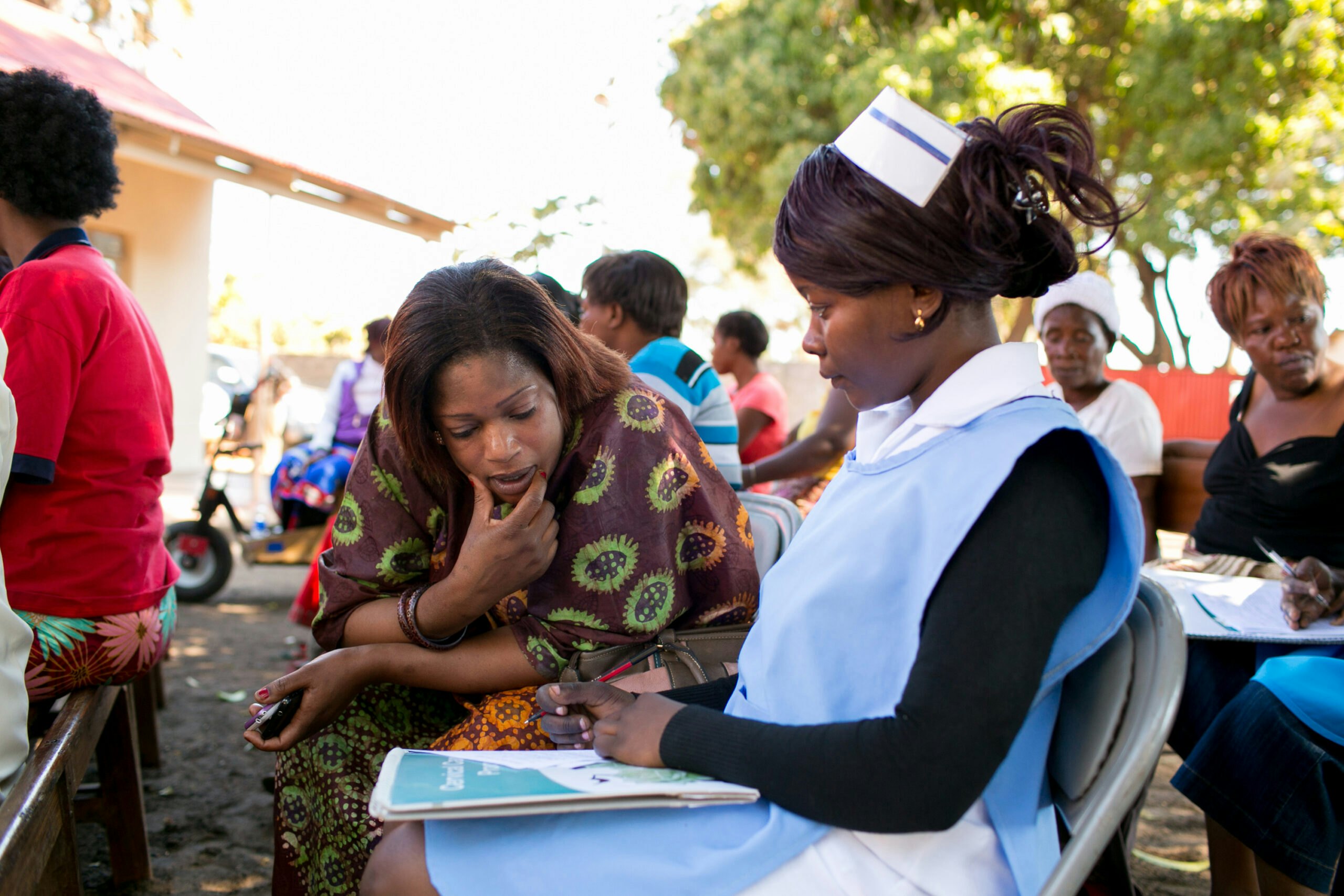
Around the world, mothers are waiting.
A mother in Iran waits outside a prison gate, carrying clean clothes and fresh food for her daughter, a political prisoner, supplies that may never reach her. She continues to wait for the internet to be restored so she can talk with family, to relay news or prayers or hope. She waits, as she has for decades, for the surveillance to break and the oppression to cease. Across Iran, like so many other countries around the world, mothers of political prisoners offer faith and love in a system that punishes courage and truth.
Too often, when reflecting and advocating on global challenges, stakeholders speak in abstract. On Mother’s Day especially, we must remember that history is seen most clearly through our own families, our own ties, our own mothers.
In Ukraine, where missiles and drones light the night skies and alarms blare from cell phones, mothers wait for air raid sirens to stop. They bundle children in winter coats and shepherd them into bomb shelters and subway stations, away from windows. Some Ukrainians mothers are fighting for their country from the front lines, while others endlessly search for messages from husbands or sons at the front. Ukrainian mothers have become soldiers, medics, logisticians. They soothe their children by flashlight and, even after years of relentless attacks, still tell their children, “You will be OK. We will be OK. This will end.”
Mothers are waiting in Sudan, where violence, hunger and displacement stalk families and weaken children. Civil war spilling into urban areas, sprawling across rural expanses has caused millions to flee their homes. Women walk for hours, queuing for water or flour. Some have watched villages burn behind them while carrying infants in their arms to the next place of safety and then the next as terror follows in their footsteps.
They have watched in fear as their husbands have been murdered and their children (including infants) assaulted and abducted. Many have themselves faced rape and other forms of torture. Temporary camps fill with mothers desperate for safety, with no certainty that the next day will bring calm. Humanitarian agencies warn that millions of children and mothers face acute malnutrition as famine spreads across the country.
In Afghanistan, where the Taliban have unleashed an unparalleled assault on women and girls, mothers are barred from employment, education, and even free movement outside the home. As their children face widespread food insecurity and the grave threat of preventable and treatable illnesses, they contend with unimaginable choices. As the health system teeters on collapse and gender apartheid prevents adequate access to even basic medical care in some communities, new and expectant moms face haunting odds of surviving childbirth and their babies reaching the age of 5. And still they persist.
Today, migrant mothers cross borders with toddlers asleep on their shoulders, carrying hope with them that their children can have a better life. There are mothers separated from children by detention systems, deportations, and wars.
The women who stand up to oppression, who teach their children that there is right and there is wrong. Those who resiliently invest in their community despite unimaginable hardship at home. Mothers who sacrifice food, safety, dignity, and sleep to make a better life for not only their own children, but all children.
The status and well-being of mothers around the world is a measure of how we live up to our ideals as human beings. It also deeply benefits the stability and success of every community and country. Simply put: Women are a vital force in the expansion of peaceful and prosperous societies.
This Mother’s Day, we take courage in the fact that mothers persist. They fight for their rights, and the rights of others. They organize and speak truth. They rebuild homes from rubble and rebuild the hearts of their communities. Around the world, in every conflict and refugee camp, in every prison waiting room and classroom, mothers embody resilience and continue the work of hope.
We often celebrate mothers with flowers and speeches, maybe breakfast in bed or a hand-drawn card.
But in a world facing the highest levels of conflict since World War II and significant democratic backsliding, we must do better to honor and support the moms who are giving everything they have to protect their children, and steward a future that reflects our highest aspirations.
Because on this Mother’s Day, like every day, mothers across the globe are waiting, but our actions – advocacy for their rights, support of their work and movements, understanding of their lives – should not.