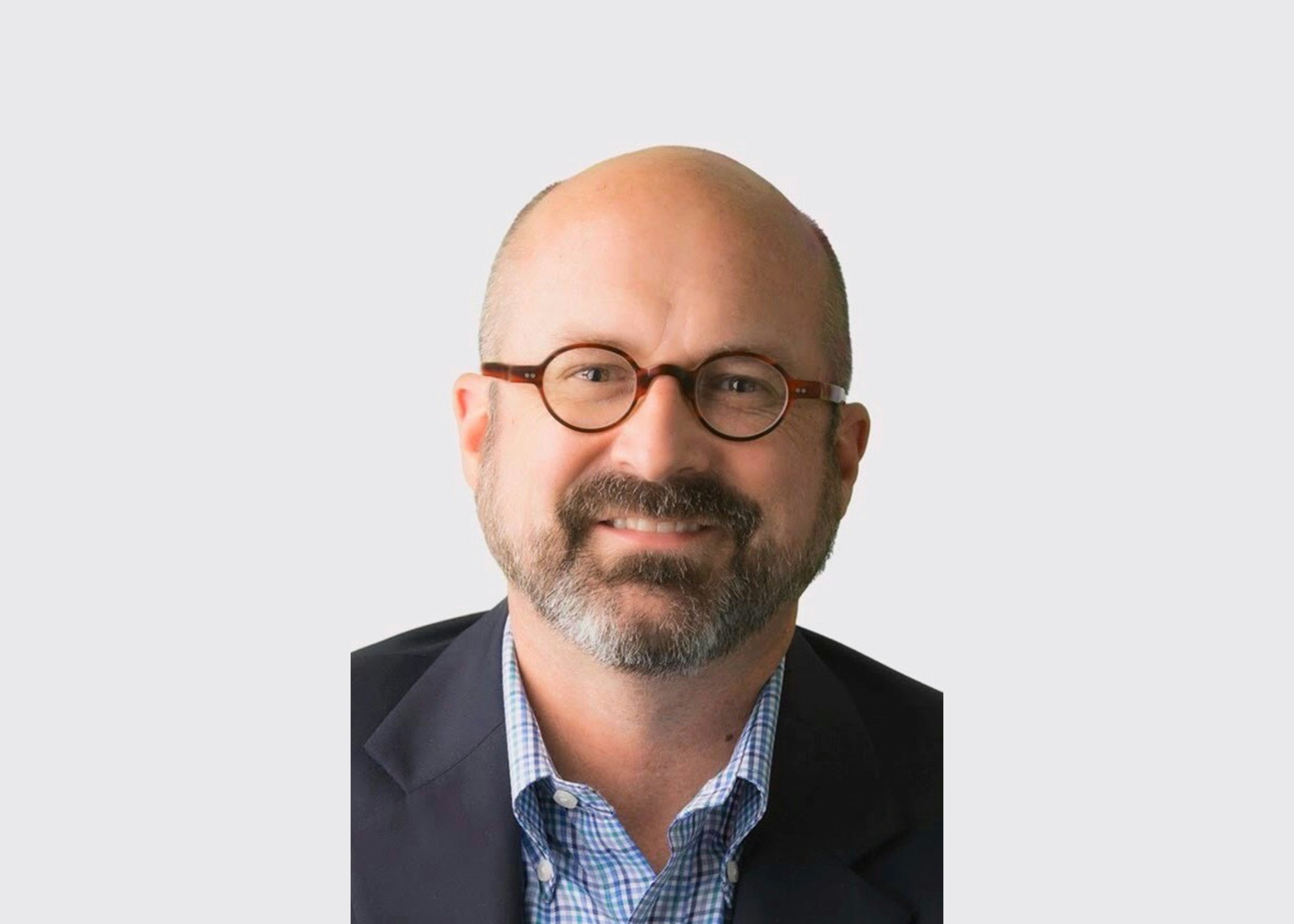
As we mark the 25th anniversary of September 11, we are honored to feature J.D. Crouch in this month’s Five Questions With…. Ambassador Crouch speaks to that day — and its long arc of consequence — with clarity, humility, and firsthand experience. His reflections, shaped by service at the Pentagon, the National Security Council, and as U.S. Ambassador to Romania, offer a remarkable window into how the nation responded, learned, and led in the years that followed. After concluding a successful 11-year tenure as CEO of the USO last year, Crouch now serves as Managing Director, Global Strategy for Gallagher Insurance and serves as strategic advisor to a number of institutions, continuing his commitment to service and national purpose. We are grateful to him for joining us this month — and encourage readers to follow his ongoing insights by subscribing to his LinkedIn newsletter, “JD Crouch On Strategy,” which covers “geopolitical, institutional, and governance dynamics shaping strategic decision-making and enterprise risk.” His most recent edition, “The Return of Strategic Chokepoints: Where Geopolitical Risk Becomes Operational Risk,” may be found here.
Q: On September 11, 2001, you were in Moscow for meetings at the Kremlin in your role as Assistant Secretary of Defense. How did you first learn of the attacks, and what stands out most from the conversations and reactions inside the Kremlin that day?
We were coming out of meetings with the Russians late that afternoon in Moscow as the attacks were unfolding. We first heard about them around the time of a press conference in the Kremlin. In fact, one reporter asked about the first plane striking the World Trade Center and whether the attack somehow made missile defense irrelevant — a question that captures how little anyone yet understood about what was happening.
We rushed back to the U.S. Embassy to check on colleagues at the Pentagon. The Russians and Embassy team helped get us quickly to the airport, and with U.S. airspace closed, we eventually made our way through Frankfurt and Mildenhall before catching a military tanker home. As we entered American airspace on September 12, we flew low over lower Manhattan. The towers were still burning white hot. Seeing that symbol of the United States in ruins hardened our resolve that we could never allow something like this to happen again.
Q: In the days and weeks after 9/11, you were serving at the Pentagon as Assistant Secretary of Defense and participating in an extraordinary interagency effort to formulate the nation’s response. How did you approach coordinating across departments and helping shape early policy decisions during a moment when speed, clarity, and unity were essential?
On the flight home from Europe, several of us began drafting a memo about how to think about what had just happened. A version eventually reached Secretary Rumsfeld and the President. It was an early example of how rapidly the government had shifted onto a wartime footing.
Afghanistan and Iraq were not directly in my portfolio, so much of my role involved enlisting allied support, preparing for the possible use of weapons of mass destruction against the United States or our forces, and moving forward on initiatives including the Nuclear Posture Review and strategic missile defense.
It is difficult today to recapture how intense the concern about WMD was. September 11 had shown that terrorists could kill thousands with hijacked airplanes; a WMD attack could kill tens of thousands or more.
The essential requirement was unity of effort—all hands on deck, supporting the President and Secretary Rumsfeld and, above all, the men and women we were sending into harm’s way.
Q: Twenty-five years later, what reflections stand out to you about the enduring lessons of 9/11—for national security, for public service, and for the country’s sense of purpose?
The day before September 11, America was in a pretty happy place. The Soviet Union had collapsed, the Wall had come down, and we had enjoyed a decade of extraordinary prosperity. Then, in a matter of hours, we were reminded of two immutable principles of international politics: bad times return, and there are thugs out there.
The first responsibility of government in a republic is to protect its people and their way of life. That requires leaders to tell people something they understandably may not want to hear: the world can be dangerous, and preserving our freedom sometimes requires vigilance and sacrifice.
The challenge is to communicate that without producing fear or apathy. I was proud to serve a President who understood that distinction. At a moment when the country could easily have tipped toward fear, President Bush rallied Americans to the nation’s defense and gave them confidence that we would get through it together.
Q: You have led in many arenas—from the Pentagon and the National Security Council to your service as U.S. Ambassador to Romania. What leadership lessons did you witness in the aftermath of 9/11 that have stayed with you and influenced how you lead across such different roles?
I have come to believe that we are all servant leaders — from the President down to anyone entrusted with responsibility for others. In a republic, leadership ultimately depends on consent. You have to articulate a positive vision, enlist people through both their minds and their hearts, and remind them that you are striving together toward something larger than yourselves. “I” am not the reason someone should do something — but I must never become the reason they don’t.
I saw another lesson from President Bush in 2006, when Iraq was going badly. He told Steve Hadley and me that we needed a top-to-bottom review. His guidance was strikingly simple: if we could win, he wanted to win; if we could not, we needed to minimize the loss of American blood and treasure.
There were no simple answers, but that clarity helped organize an enormously complicated process that contributed to the strategy known as the Surge. Leaders do not have to pretend complex problems are simple. They do have to provide a clear sense of purpose around which people can think and act.
Q: Your long tenure leading the USO placed you at the center of supporting service members and their families. How did 9/11 shape your understanding of the sacrifices military families make — and of the responsibilities national leaders have to support them?
In many ways, I became CEO of the USO because of 9/11—or at least that is why I sought the position. My years in government had given me enormous respect for the competence, professionalism, and selfless service of the men and women in uniform.
I remember visiting Anbar Province in 2006 and meeting Marines who calmly but forcefully explained to the “guy from Washington” what was actually happening on the ground. They believed they could succeed if given the resources to do the job. They got them, and they did.
So, when the USO opportunity arose in 2014, I saw it as a chance to give something back.
Leading the USO also taught me that the sacrifice belongs to families as well. For several Christmases, Kristin and I traveled with USO entertainment tours in Afghanistan and Iraq. We were coming and going; our troops remained, thousands of miles from their families on Christmas Day. I wish every American could fully appreciate what that separation asks of military families — and what the nation owes them in return.