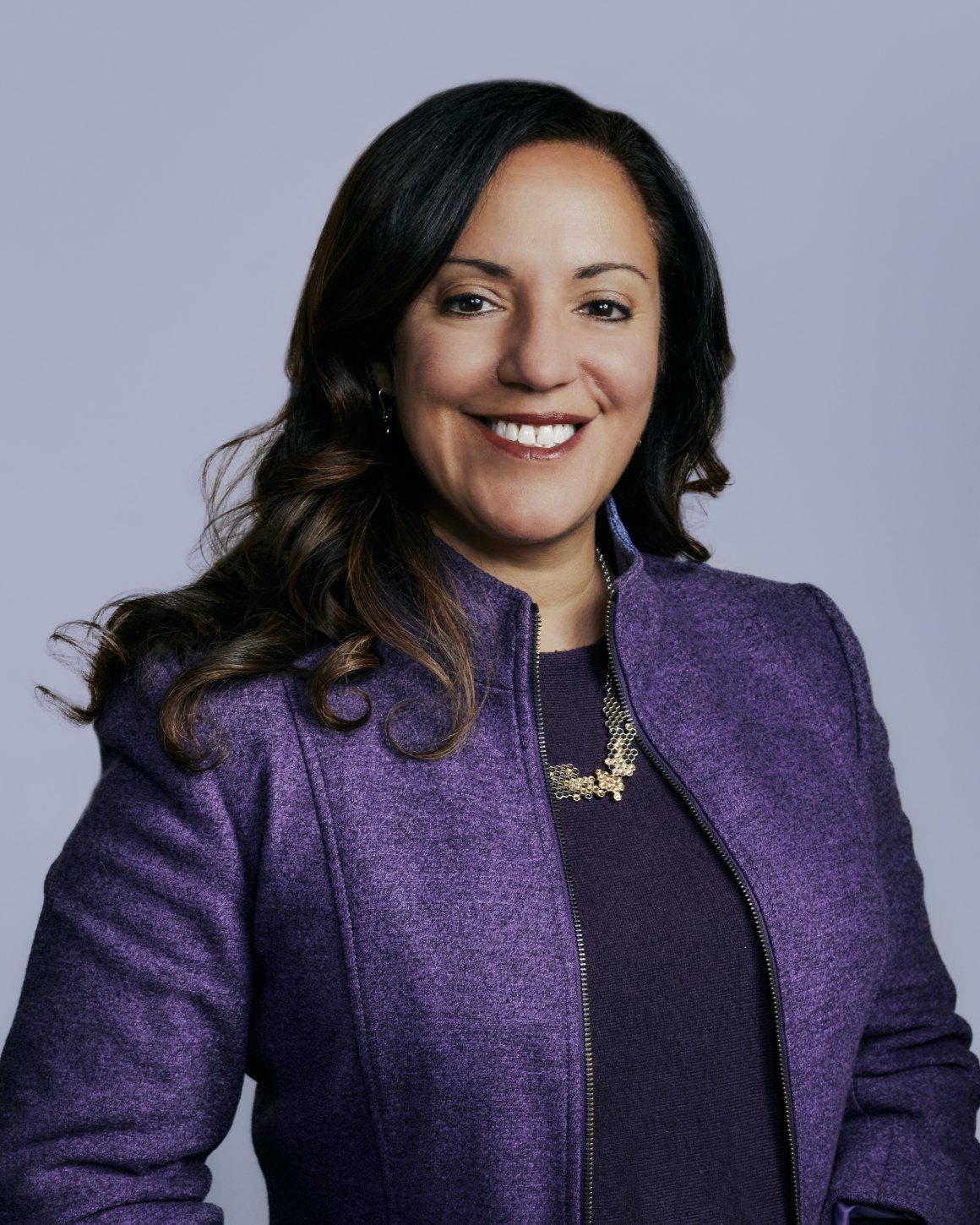
Meredith West is the former Assistant Administrator for Policy & Strategic Planning at the U.S. Small Business Administration. A veteran Senate staff leader with nearly two decades shaping small‑business policy, she joins us this month fresh off completing the 2026 Class of the Presidential Leadership Scholars program — an experience she describes as both invigorating and clarifying at a time when public life feels especially strained. Learning alongside purpose‑driven leaders from every sector reminded her why “being in the arena” still matters, while sessions with President Bush and fellow Bush‑Cheney alumni reinforced a lesson she now carries forward: leadership is defined not by what you oppose, but by the clarity of what you stand for. Today, as Staff Director of the U.S. Senate Committee on Small Business & Entrepreneurship, Meredith draws on that conviction — and on years of service to senators from Maine to Florida — to help strengthen the policy foundations that allow America’s small businesses to thrive amid constant disruption.
Q: As you look back on the 2026 Presidential Leadership Scholars program, what were the most meaningful lessons or experiences for you, and how do you expect them to shape your leadership going forward?
Learning alongside some of the most purpose-driven, committed, and creative people I’ve ever met was invigorating in a way I didn’t realize I needed. The last 18 months in Washington D.C., have been perhaps the most contentious of my career, but working with scholars from every sector, every corner of the country, and every background reminded me why being in the arena still matters. President Bush inspired me when I served in his administration, and he inspired me again at PLS as he reflected on what shaped his decisions and how the humility to invite fierce dissent made for better policy outcomes. We heard from Margaret Spellings, Keith Hennessey, and Kevin Sullivan, all legends among the Bush-Cheney alumni who reinforced a key leadership lesson from President Bush that I will take with me: Don’t tell people what you’re against. Tell them what you’re for and why. Clarity of conviction is what transforms opinions into leadership.
Q: The Presidential Leadership Scholars program requires every Scholar to design a Personal Leadership Project. What is the focus of yours, and how did the program help you refine or accelerate it?
My project, Congress in the Classroom, will prepare young people to participate in democracy by giving students a front-row seat to the legislative process. Students will learn how bills are developed, negotiated, and amended directly from Congressional staffers who do the work of legislating every day. A new service opportunity for Senate aides, a Republican and a Democrat staffer will join to teach the legislative process, model civil policy debates, and lead students in a congressional committee simulation. The program will be available to student groups traveling to D.C. from across the country. As a Senate staffer, my job is to turn other people’s priorities into legislative and oversight victories. PLS helped me turn my own dream, rooted in deep appreciation for our system of government, into a tangible learning experience for our next generation.
Q: You’ve served under senators from Maine, Idaho, Louisiana, Florida, Kentucky, and Iowa. How has working across such a wide ideological and geographic spectrum shaped your approach to small business policy and committee leadership?
I’ve been incredibly fortunate to work for 10 United States senators, and getting to know the unique needs of each of their states and constituencies has made me a better leader and policymaker. Each state I’ve worked with has had unique interests and stakeholders, which has made me skilled at bridging ideological divides to get tangible outcomes. Ultimately, working across the geographic and political spectrum teaches you that good policy isn’t born in an ideological vacuum. It’s forged by listening to the distinct voices across America to find the common ground that allows Main Street businesses everywhere to thrive.
Q: From your vantage point on the Small Business & Entrepreneurship Committee, what trends or challenges are most defining the small business environment right now, and where do you see opportunities for bipartisan progress?
The challenges facing small businesses are often the same challenges facing the economy as a whole. Whether it is supporting innovation by growth-driven startups or ensuring capital access to Main Street businesses, there are roles for policymakers to support the small business job creators that are central to the economies of our local communities. As tensions between the US and China heighten and global supply chains get more fragmented, there is growing bipartisan recognition and consensus about safeguarding the intellectual property and R&D pioneered by many of America’s startups, as well as strengthening the important role of small businesses in America’s manufacturing and defense industrial base. In the coming years, I believe there will be much bipartisan work to strengthen America’s position in these strategic sectors.
Q: Looking ahead, what issues or debates do you expect to take center stage in small business policy over the next few years, and how should policymakers be preparing for them?
The pace of technological change from artificial intelligence to biotechnology is incredibly fast and remaking industries. These developments will create immense disruption for small businesses and their workers. Policymakers need to be preparing the groundwork to alleviate the societal and economic disruptions from this technological change to allow small businesses to adapt to and have a stake in the economic conditions of the decades to come.