

The George W. Bush Institute’s Veteran Wellness Alliance is a coalition of veteran peer-to-peer networks and best-in-class mental and brain health care providers who connect veterans, service members, their families, caretakers, and survivors to high-quality care for their invisible wounds.
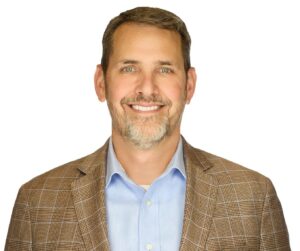
Q&A with Greg Frey, vice president of strategic engagement and partnerships at Avalon Action Alliance
What is Avalon Action Alliance’s mission, and how does it guide the work you do with veterans?
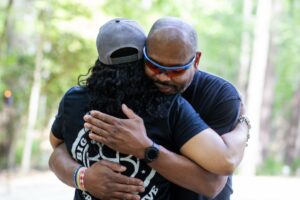
Avalon Action Alliance exists to help veterans and first responders heal from the invisible wounds of service by connecting them to life-changing care for traumatic brain injury, post-traumatic stress, and substance abuse.
At the heart of our mission is the belief that no warrior should have to navigate these challenges alone. That guides everything we do, from reducing financial and geographic barriers to care, to helping individuals find the right care at the right time through our national alliance of clinical and nonclinical partners.
We don’t believe healing happens in isolation. Our role is to walk alongside individuals, simplify what can often feel overwhelming, and help create a path forward that is personalized, coordinated, and rooted in dignity and trust.
What can a new veteran seeking treatment expect as they move through the program?
The first thing a veteran can expect is to be met with understanding. Many of the individuals who come to Avalon have spent years quietly carrying invisible wounds, often believing they had to figure things out on their own.
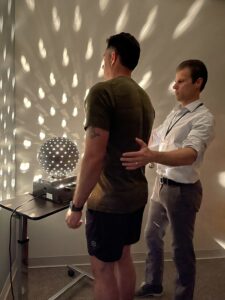
Our process begins with listening. We take time to understand what that individual is experiencing, what barriers may exist, and what type of care may best fit their needs. From there, Avalon helps coordinate access to trusted programs across our alliance network, whether that involves treatment for traumatic brain injury, post-traumatic stress, substance abuse challenges, or a combination of these issues.
Throughout the process, our team stays connected to our clients and their families. We help navigate logistics, remove barriers where possible, and ensure they feel supported before, during, and after treatment. The goal is not just to get someone into a program; it’s to help them move toward long-term wellness.
What are some things that make Avalon unique in the veterans and military families space?
One of the things that makes Avalon unique is that we serve as a connector and force multiplier rather than a one-size-fits-all program. We’ve built a national alliance of leading providers and organizations so veterans and first responders can access specialized care tailored to their specific needs.
We also recognize that the invisible wounds of service rarely exist alone. Traumatic brain injury, post-traumatic stress, and substance abuse are often deeply interconnected, which is why we believe in an integrated, whole-person approach to care.
Another important distinction is that Avalon stays engaged throughout the journey. We are not simply making referrals; we help individuals navigate a complex system and ensure they do not feel alone in the process. That human connection and continuity of support make a tremendous difference.
Are there any moments in your career that stand out as especially meaningful when it comes to the way you approach engaging with veterans?
For 26 years, I served alongside men and women from across our nation who raised their right hands and committed to serving something bigger than themselves and putting others’ well-being ahead of their own. I believe we owe these men and women the opportunity to live full and fruitful lives after their service, as defined by every individual.
I personally understand both the struggles many veterans face in transition and the incredible potential they have after they take off their uniform.
This community is built on honesty, authenticity, and trust, and I quickly learned that by openly sharing my story, my challenges, and how I have benefited from getting the help I needed, I have opened the door for fellow veterans to get the care they deserve.
I’ve also come to fully realize that supporting veterans means supporting the entire family. For one member of the family to truly thrive, every member of the family has to thrive.
As you reflect on your work with veterans, what inspires you about the future of veteran engagement, treatment, and transition?
What inspires me about the future of veteran engagement, treatment, and transition is that, while there is still important work to be done, I have seen meaningful progress in the way organizations and communities are coming together to support veterans. Collaboration continues to improve, and initiatives like the Veteran Wellness Alliance are strong examples of what can happen when organizations work together instead of in silos.
I’m also encouraged that we continue to tackle stigma head-on and push back against the broken veteran narrative. Veterans are not defined by their injuries or challenges. They are leaders and problem-solvers with enormous potential to continue serving and strengthening their communities after military service.
Another encouraging shift is the growing integration of clinical care, peer-led programming, and physical wellness. We are learning that lasting healing and successful transition require a comprehensive approach that addresses the whole person and creates connection, purpose, and community. And we are not slowing down – we are focused on unleashing healthy veterans back into communities across the nation where they can thrive and continue making an impact.
On a personal level, I have seen the power of Avalon’s programs in people’s lives. I have witnessed firsthand how the right program at the right time can literally change the trajectory of someone’s life and ripple out to their family, community, and our nation. Seeing those transformations gives me tremendous hope for where the veteran support space is headed and what is possible when we continue investing in innovative, collaborative, and veteran-centered solutions.


