


As newlyweds celebrating our first Christmas together, my husband and I are creating our own holiday traditions, and it was important to us for volunteering to be at the center.
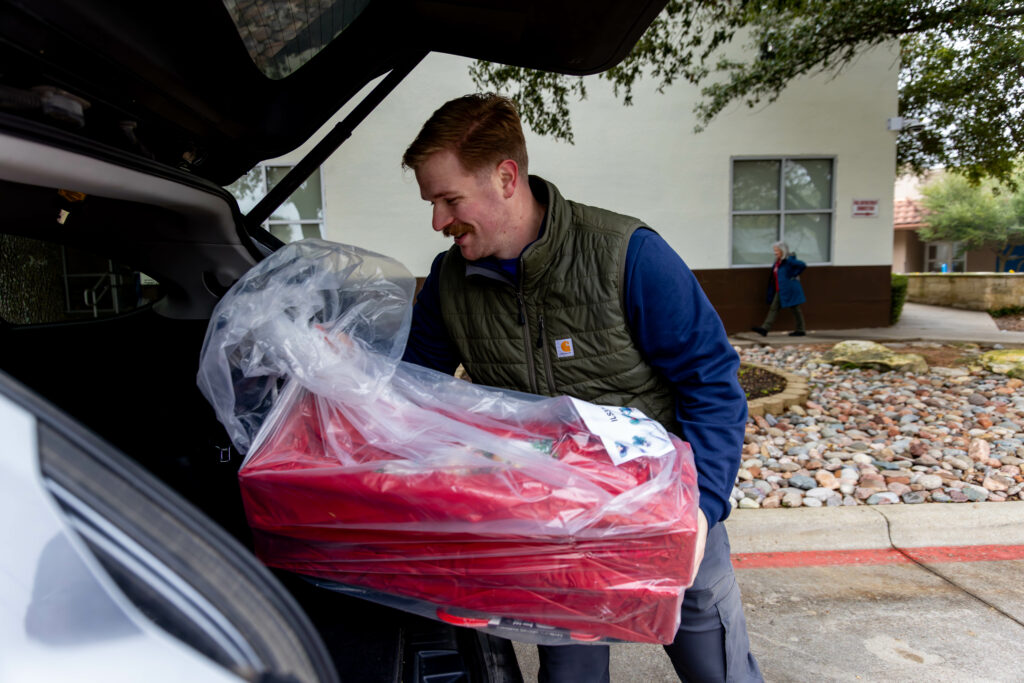
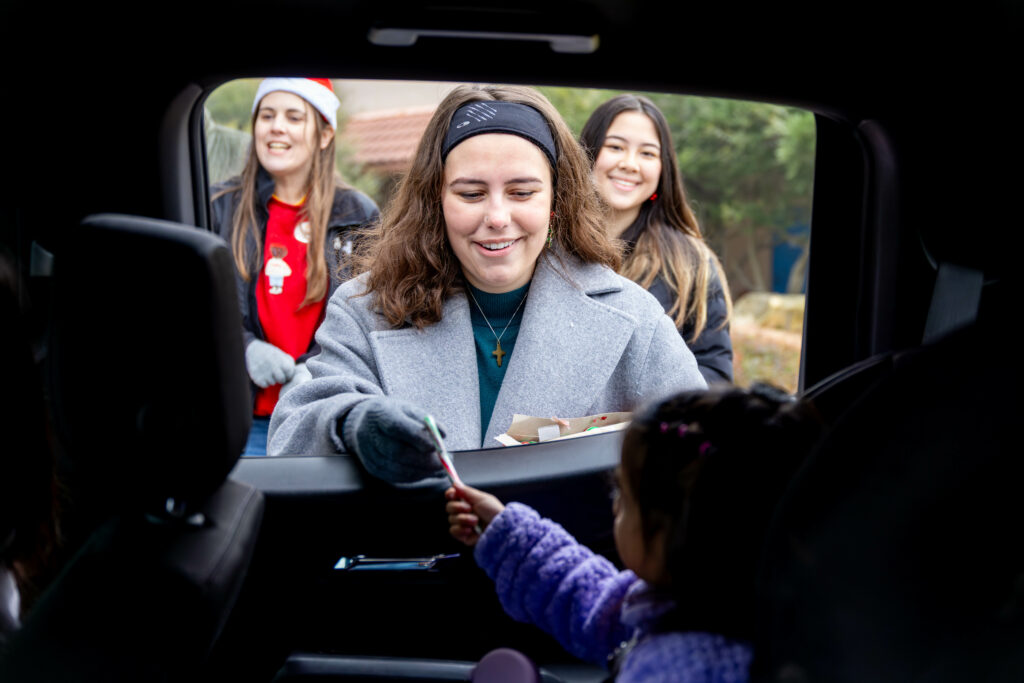
We want to carry the spirit of service into our new life together. So last weekend, he and I and a colleague distributed Christmas gifts to the community at an event sponsored by Catholic Charities Dallas. We intend to make giving back a part of our lives in the years ahead, not just during the holidays but throughout the year.
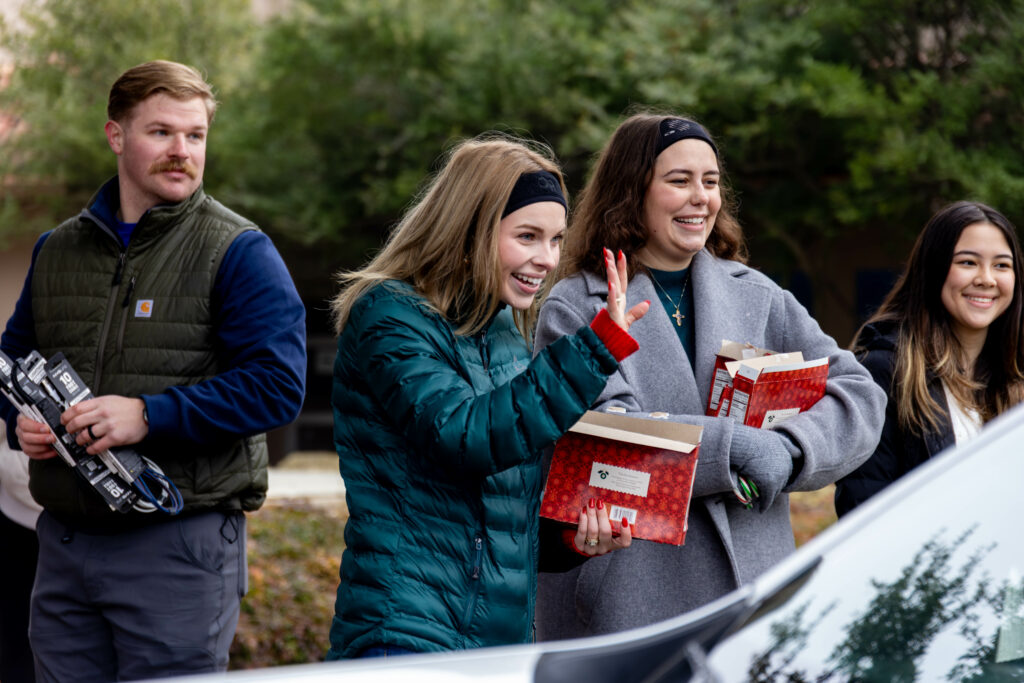 I volunteer because it gives me the opportunity to open my heart to the people and places around me. Giving my time feels natural because it’s when I feel I’m at my best – sharing my talents and skills to make a difference. It’s even been healing at times. After losing a friend to a drunk driver, volunteering as a victim impact panelist transformed my pain into purpose.
Food banks, local nonprofits, and U.S.-based charities experience an influx of volunteers and charitable donations at the end of the year, with many Americans “giving thanks” by giving back. However, volunteering shouldn’t be something we save until the end of the year, as it is vital to the civic health of the republic.
It’s human to want to help others. Generosity activates our dopamine reward pathways. That’s why it feels good when you do something for someone else. Volunteering also positively impacts mental and physical health through building confidence, combating depression, and providing a sense of purpose.
So, if doing good makes you feel good and ultimately contributes to the betterment of society – why isn’t every American volunteering?
The same level of distrust that has infiltrated our personal lives, leaving Americans feeling divided and disconnected, has hurt our institutions, including nonprofits. However, over 75.7 million people in the United States formally volunteered by helping others through organizations like food banks and other nonprofits between September 2022 and September 2023, according to the latest data from the U.S. Census Bureau and AmeriCorps.
 At the same time, more than half of U.S. adults have reported feelings of emotional disconnection, saying they have felt isolated from others, left out, or lack companionship.
Americans are hungry for personal connection, and the remedy to our loneliness epidemic involves encouraging civic engagement. Opportunities like volunteering offer meaningful engagement – even among those with opposing views. Working together toward a common goal reminds us that collaboration with those who vote or worship differently is possible.
 The American tradition of volunteering has been present since the country’s storied beginning – it was foundational to the formation of a new, democratic nation. For example, Benjamin Franklin co-founded the first, formally organized volunteer fire company in the colonies. George Washington viewed generosity as an obligation, making hundreds of donations to churches, charities, and the most vulnerable young Americans throughout his lifetime.
Thomas Jefferson often wrote of “social love” and how the health of the nation depended on its citizens joining together with a sense of shared affection and cooperation. He encouraged his fellow citizens to “unite with one heart and one mind,” in his first inaugural address. Extending social love for one another shouldn’t only occur during the holiday season.
“We the People” is more than a promise. It’s the spirit we the people embody.
The success of the American experiment starts at the end of our driveways. It strengthens when we mow an elderly neighbor’s lawn or bring meals to a grieving friend. It begins in our homes, streets, and downtown squares – and it helps rebuild trust in our fellow citizens and our troubled institutions.
The progress our nation has made over almost 250 years is because of everyday people taking part and pitching in. My husband and I have pledged to do our part, and we hope that our fellow Americans will join us in the pursuit of a more perfect union.


