The George W. Bush Institute’s Veteran Wellness Alliance is a coalition of veteran peer-to-peer networks and best-in-class mental and brain health care providers who connect veterans, service members, their families, caretakers, and survivors to high-quality care for their invisible wounds.
Q&A with Dr. Lynda C. Davis, the Chief Veterans Experience Officer at the Department of Veterans Affairs
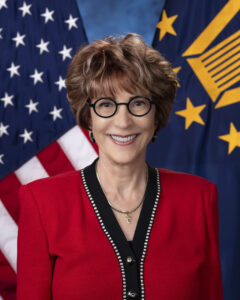
How has your own service as a former Army signal officer and as the mother of a veteran influenced your career and passion for veteran mental health?
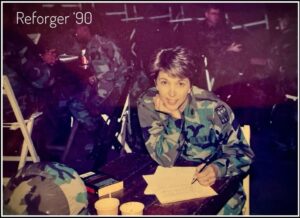
My lived experience in the military was an honor that offered the camaraderie of service and a shared mission that changed the course of my life. As the mother of a veteran, the caregiver of disabled veterans, and the survivor of veteran loved ones, I became deeply entangled in the difficulties of navigating systems that were meant to support them. The challenges I f
aced in accessing care, wellness resources, and mental and behavioral health support – both for my loved ones and myself – became a personal call to continued service. That call has given me incredible opportunities to work alongside the most dedicated peers in our military and veteran community to overcome stigma and reduce barriers that can isolate or overwhelm us all.
My passion is to ensure that every veteran, family member, caregiver, and survivor has easy access to effective, compassionate, and comprehensive assistance when, where, and how it can be most helpful. A tall order but possible together.
How can veterans, who may be hesitant to seek help, take the first step toward accessing mental health support through the VA?
When I notice a peer who is struggling, I often begin by sharing my personal story and the value I’ve found in connecting with others (peers and professionals) who truly understand our experiences. I encourage veterans to start small – perhaps by acknowledging how they’re feeling, reaching out to a trusted friend, or talking with a primary care provider about their concerns. From there, they can ask for a referral to a VA mental health provider.

Veterans who are not yet using VA services can contact their nearest VA medical facility or a less formal vet center to discuss what they need at 1-877-927-8387, 24/7 or go to https://www.vetcenter.va.gov/. Support is also available 24/7 through the Veterans Crisis Line by dialing 988, then pressing 1, or through 1-800-MyVA-411 for assistance from a trained agent at any time. In addition, veterans and their families can access dozens of free, evidence-based mobile apps that help manage stress, anxiety, sleeplessness, pain, exercise, and post-traumatic growth at www.ptsd.va.gov/mobile.
There is also the National Resource Directory which connects veterans to a wide array of programs and services. Each of these resources is designed to make mental health care more welcoming and to reduce stigma around seeking help.
How has the VA expanded access to mental health services for veterans and their families under Secretary Doug Collins’ leadership?
The VA has expanded mental health access through initiatives focused on proactive, upstream prevention – intervening early and addressing challenges before they escalate. For instance, VA has broadened telehealth services, allowing veterans to connect with their providers by phone, tablet, computer, or the VA Health app, so care is available wherever they are. VA has also deployed more mobile health clinics to reach veterans in rural and underserved communities.
Through outreach efforts like the Choose VA campaign and the VetResources newsletter, we’re reaching more than 20 million veterans weekly with information on benefits, digital tools, and all health resources. Additionally, VA launched a social media service recovery initiative that identifies veterans who reach out online who may indicate distress, and we then connect them directly with crisis support teams or the veterans Crisis Line. These combined efforts reflect our shift toward meeting veterans where they are – physically, emotionally, and digitally.
How has your career at the VA shaped the way you think about supporting veterans as they move into civilian life?
My work at the Departments of the Navy, Defense, and Veterans Affairs has made me deeply aware of the “moments that matter” across a veteran’s life – from enlistment to separation and beyond. Transitioning from uniform to civilian life can be one of the most challenging of those moments, and it requires systems that truly understand and respond to veterans’ voices. At VA, my VEO team develops Journey Maps that visualize common life stages, identify pain points, and highlight moments that significantly impact veterans’ experiences. This work informs our outreach, community partnerships, and development and operation of transition programs so we can improve support before, during, and after separation.
The VetResources Community Network (VRCN) further amplifies this mission by connecting veterans with trusted local organizations and peer communities that help ease the transition and foster long-term wellbeing. Above all, I’ve learned that listening is key – that when we consistently engage veterans, their families, caregivers, and survivors with respect and empathy, we can design programs that strengthen trust and ensure that no one is left behind.
After spending much of your career working with veterans, what gives you hope about the next generation of veterans?
My hope comes from the enduring resilience of those who serve and the steadfast commitment of VA employees who walk beside them. Over the past 50 years, I’ve seen both the challenges and the remarkable progress of the VA system. This is not the same VA of my father’s generation – trust in VA services has risen to nearly 82%, driven by transparency, modernization, and a focus on veteran-centered customer experience (CX).