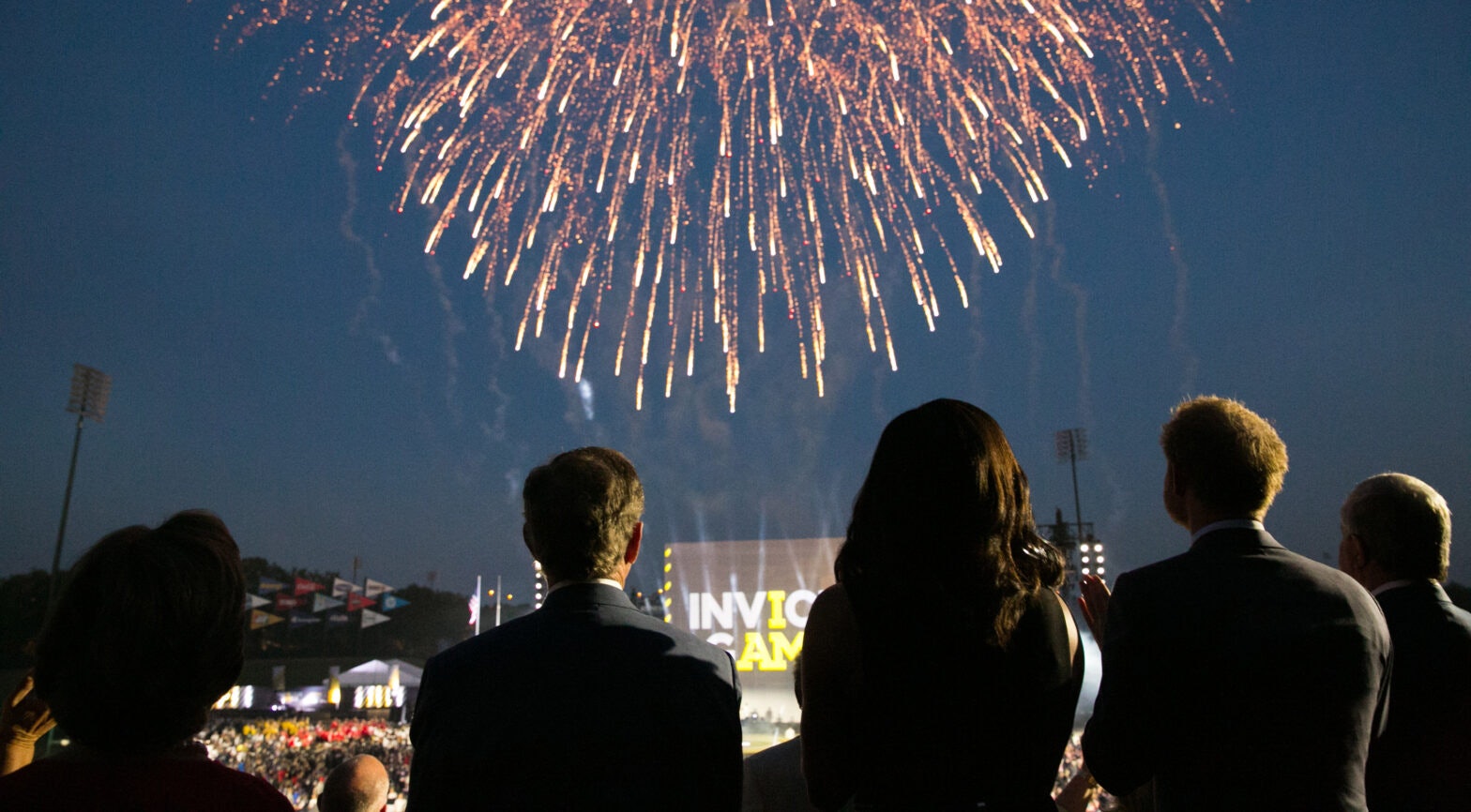
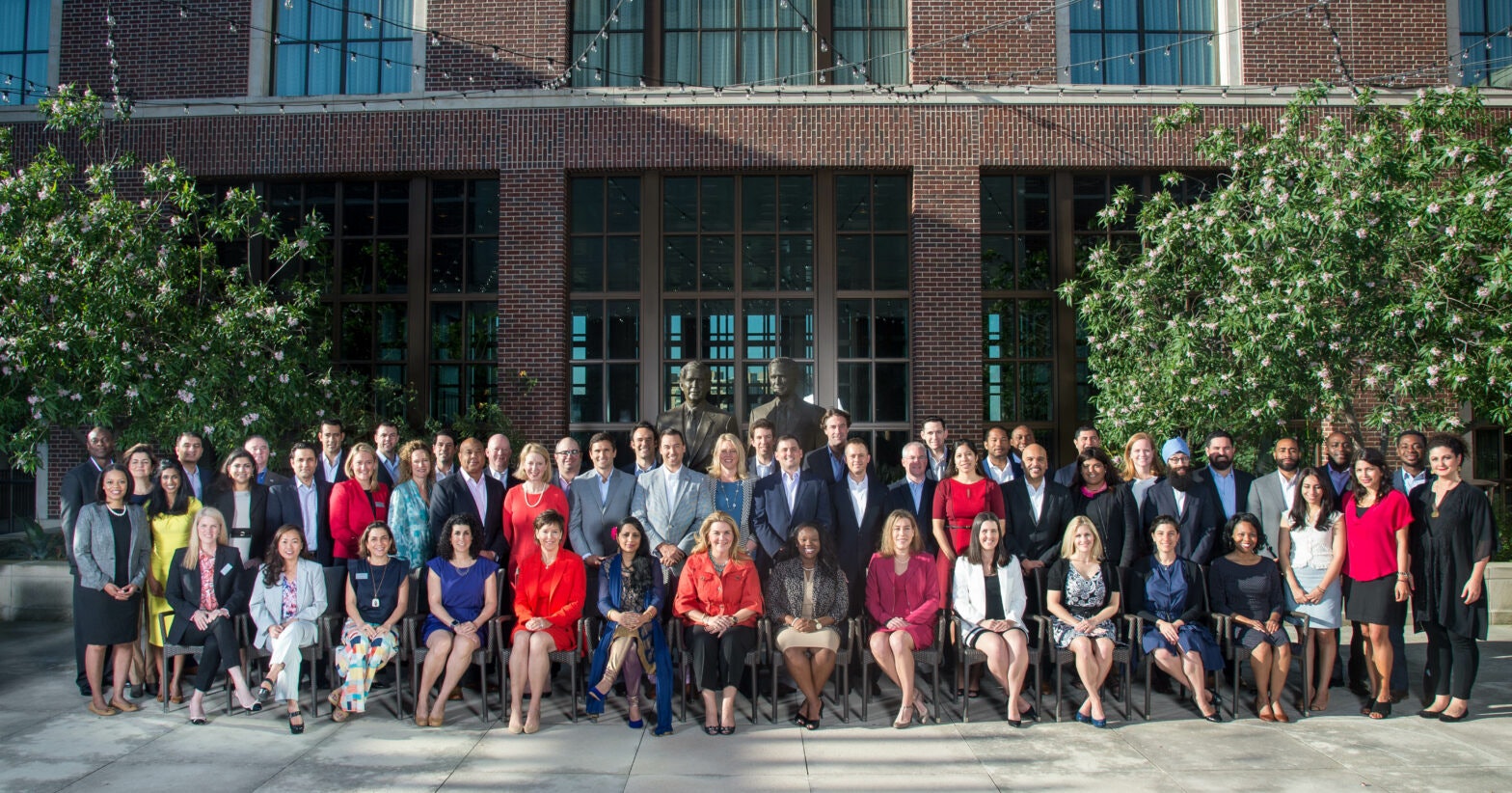
International Museum Day on May 18 celebrates the power of museums to inspire creativity and foster understanding.
Some of my earliest classrooms didn’t have desks or chalkboards – and sometimes not even textbooks.
Growing up homeschooled, my mom had a gift for turning anything into a learning opportunity, which meant our education often happened on the move. Family road trips almost always included a stop at a museum or historic site. And my dad traveled frequently for work, so, whenever possible, we’d tag along and take the classroom with us.
Looking back now, I realize museums gave me not only an education but the chance to step into history. After all, what kid wants to learn from a textbook when they can feel like they’re part of the story?
I can still remember walking through museums that felt far bigger than the buildings themselves. They connected me to people, ideas, and stories I otherwise would never have encountered. And most importantly, museums taught me that learning isn’t confined to textbooks or classrooms but something that can happen anywhere when we are willing to explore.
At a time when so much competes for our attention, museums offer something increasingly rare by giving us the opportunity to experience something firsthand. I felt the magnitude of President Abraham Lincoln’s assassination by standing inside Ford’s Theatre. I stood on the same floors as millions of immigrants, including my Irish ancestors, on Ellis Island. And I learned about the Declaration of Independence by standing face to face with the document itself.
Museums today face a unique challenge: How do they remain relevant in a world where information is instantly accessible? Almost any fact or photo can be pulled up on a phone in seconds. Younger generations consume content faster than ever, often in short-form videos or swiping through quippy headlines.
You can read about history online in seconds, but standing inches away from an object from a defining moment in history carries a different kind of weight. You can learn about static electricity in science class, but every kid remembers their first time touching the electricity ball and watching their hair stand straight up.
Perhaps that is exactly why museums matter even more now. In an age of constant information, museums provide context and offer depth instead of distraction.
At the George W. Bush Presidential Museum, we are starting to welcome a new generation of visitors. Most of the students walking through our doors today were not alive during President Bush’s time in office. They don’t have the lived experience to help contextualize that chapter of American history, which means the exhibit itself must convey the gravity and impact of that time period.
I didn’t have to learn about the terrorist attacks on Sept. 11 through history class because I lived through them. I can still remember where I was when I first heard the news and the feeling of watching our country try to process the tragedy in real time. Students today might not have experienced that moment themselves, but museums can help bridge that gap in understanding.
At the Bush Museum, visitors can stand next to – and even touch – the twisted steel beams recovered from the World Trade Center. As President Bush said in an address to the nation following the attacks on 9/11, “These acts shattered steel, but they cannot dent the steel of American resolve.” They can also read the names of every person who lost their lives and watch footage from the harrowing days that followed the attack. History becomes more than something they read about in class because it becomes human.
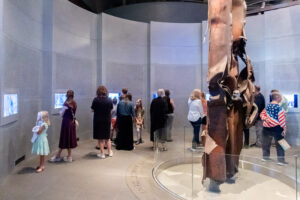
When I think back to some of the first museums I visited as a child, and even now as an adult, I don’t remember every exhibit label or historical date. But I do remember stepping out of an exhibit finding myself thinking about the stories I was told and eager to learn more. That lingering curiosity is the power museums continue to hold. And on International Museum Day, it’s worth recognizing that their impact extends far beyond their walls.