|
|
|
Figure of the week:
|
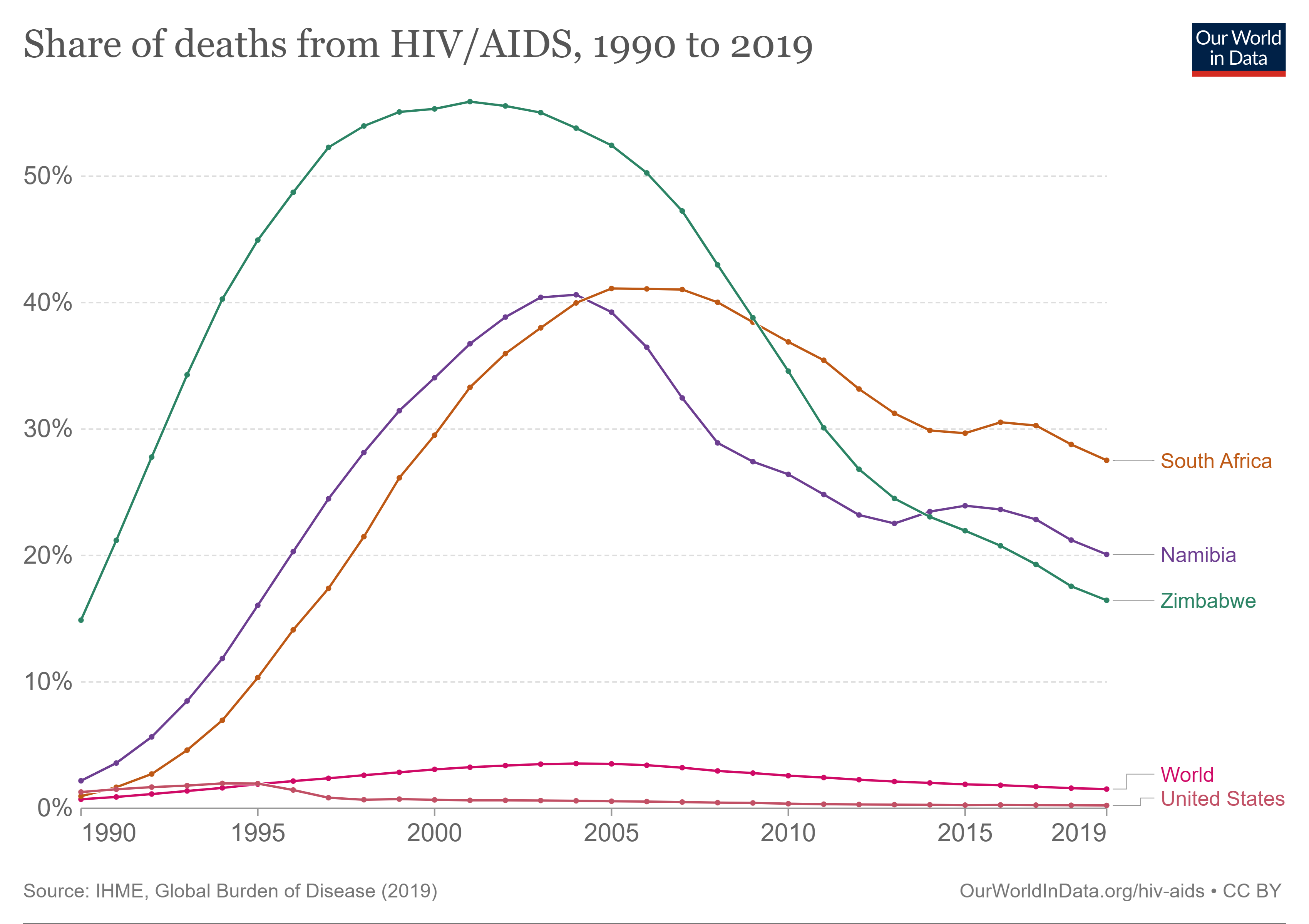
AIDS-related deaths have decreased by 69% since 2004, and 51% since 2010, according to UNAIDS data.
Since its signing in 2003, PEPFAR has been one of the greatest bipartisan successes aimed at preventing disease and saving lives. Few programs have impacted the lives of as many or bolstered the United States' standing in the world as much as this far-reaching program. AIDS-related deaths specifically in Africa reached a peak in the early 2000s, and through comprehensive U.S. funding and support, have since seen drastic decreases.
|
|
|
|
|
Bush Institute insights:
|
|
|
Former U.S. Global AIDS Coordinator and Senior Fellow at the Bush Institute Dr. Deborah Birx spoke about her work and PEPFAR's global impact with Richard Helppie on his podcast, Common Bridge.
Dr. Birx explains: "I was in government for 40 years, so I really know how to make government work. But PEPFAR took a different approach to foreign assistance and was the largest U.S. investment in battling a pandemic; [it] took a comprehensive approach. What President Bush said was [that] we could do things differently in a new way that would have a greater impact."
|
|
|
|
|
Standout statement:
|
World Health Organization Assistant Director-General Jérôme Salomon commented on UNAIDS' recently-released report, The Path That Ends AIDS, which outlines the path to end the AIDS epidemic by 2030.
"This new report highlights that the next seven years are critical. Even though there is no vaccine and there is no cure, the tools exist for us to end AIDS as a public health threat. Whilst the task is challenging, it is achievable…As the report sets out, success depends on strong political leadership and a fully funded response to HIV in the context of building sustainable health systems with communities at the centre."
The report also finds that "progress has been strongest in the countries and regions that have the most financial investments, such as in eastern and southern Africa."
|
|
|
|
Ally updates:
|
Global Fund Executive Director Peter Sands also commented on UNAIDS' report on the state of the AIDS epidemic, saying:
"The new data released today by UNAIDS makes it clear that with strong political leadership and adequate funding, we can end AIDS as a public health threat…To achieve that goal, we must also be smart in how we invest, building more inclusive, resilient and sustainable systems for health that can ensure everyone, everywhere, has access to the services they need for good health and well-being."
|
|
|
|
In the news:
|
|
|
|
|
|
|
 |
Igor Khrestin
THE BRADFORD M. FREEMAN MANAGING DIRECTOR OF GLOBAL POLICY
GEORGE W. BUSH PRESIDENTIAL CENTER
T: (214) 200-4315
E: IKhrestin@bushcenter.org
www.bushcenter.org |
|
|
|
|
|
About the George W. Bush Institute
The George W. Bush Institute is a solution-oriented nonpartisan policy organization focused on ensuring opportunity for all, strengthening democracy, and advancing free societies. Housed within the George W. Bush Presidential Center, the Bush Institute is rooted in compassionate conservative values and committed to creating positive, meaningful, and lasting change at home and abroad. We utilize our unique platform and convening power to advance solutions to national and global issues of the day. Learn more at www.bushcenter.org
George W. Bush Presidential Center
2943 SMU Boulevard
Dallas, Texas 75205
Privacy policy
Email preferences
|
|
|
|
|
|
|