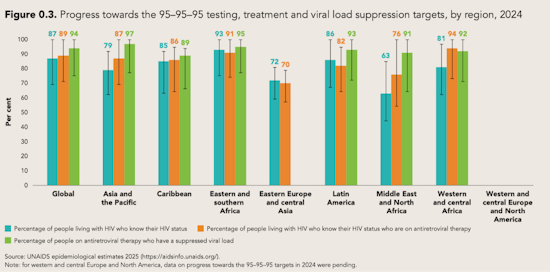
As lawmakers return to Capitol Hill, it is worth reflecting on the progress we have made to end HIV/AIDS as a public health threat, thanks in large part to Congressional support for the President’s Emergency Plan for AIDS Relief (PEPFAR). According to the Joint United Nations Program on HIV/AIDS (UNAIDS)
2025 Global AIDS Update, new HIV infections have declined by 40% since 2010.
However, there were nearly 1.3 million new infections in 2024, which is far below the UNAIDS goal of 370,000 new global infections by 2025. Attention must be focused on ensuring PEPFAR programs are operating effectively over the next few years.
New medicines could accelerate progress and help us win this fight. Over the summer, the FDA approved lenacapavir, the twice-yearly HIV prevention injection that is over 99% effective at preventing new infections. There are also several new long-acting prevention drugs that are under review. Ending the global AIDS threat by 2030 is challenging but still achievable. Ensuring that these lifesaving medications are affordable and accessible is critical.
As HIV prevention expert and President of the International AIDS Society Kenneth Ngure puts it, combating the global AIDS threat is like traveling on an airplane: The destination is a world in which HIV/AIDS is no longer an imminent threat, and U.S. policymakers are the pilots.