PEPFAR's impact is often measured in numbers, but behind every statistic is a life saved. Each data point represents a person whose story is a powerful reminder of what this program makes possible.
Nozi Samela is one of the early beneficiaries of PEPFAR and a living example of the program's transformative impact on people's lives. She was diagnosed with HIV 20 years ago while pregnant with her first child but, thanks to PEPFAR, she received antiretroviral treatment and was mentored by HIV-positive mothers, which ultimately helped her give birth to a healthy, HIV-free baby. Nozi said the day she learned her son was HIV-negative was "one of the happiest days of my entire life." Since then, she has become a mentor to other HIV-positive mothers herself and an advocate for HIV prevention and treatment.
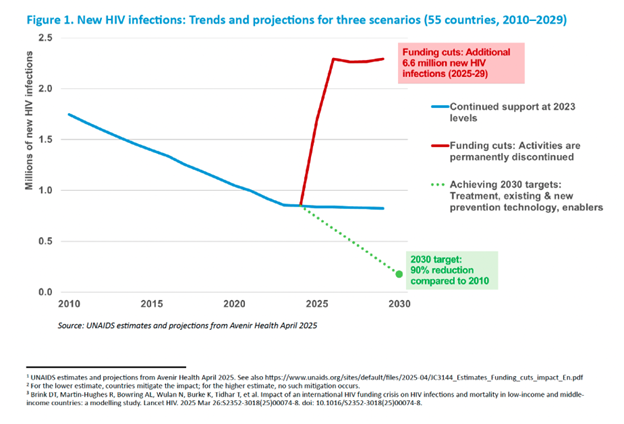
Once rare, success stories like Nozi's have become increasingly common because of PEPFAR. While the program has saved countless lives in its 22 years of existence, there's still work to be done to achieve the goal of eliminating HIV/AIDS as a public health threat by 2030. Terminating the program now would jeopardize decades of progress, put the lives of millions of people at risk, and also leave a power vacuum in many African countries that Russia and China are eager to exploit.
PEPFAR's achievements over the past two decades should be sustained through a gradual and strategic transition to country ownership. Only then can the legacy of PEPFAR endure and evolve to meet future health challenges.