PEPFAR has saved over 26 million lives in the past 20 years, and it currently provides life-saving antiretroviral treatment to 20 million people around the world living with HIV. PEPFAR is also a cost-effective and accountable program that makes the most of every tax dollar to save lives, stabilize societies, engender good will overseas toward the United States, and deter malign Russian and Chinese influence. Left unchecked, the HIV/AIDS pandemic would have wreaked havoc on the African continent and beyond.
PEPFAR has operated on flat funding for over a decade. In 2024, $4.8 billion was dedicated to bilateral programs that include treatment, mother-to-child transmission prevention, and testing. Across bilateral and multilateral programs, PEPFAR funding is strictly allocated by congressionally-mandated, time-bound provisions.
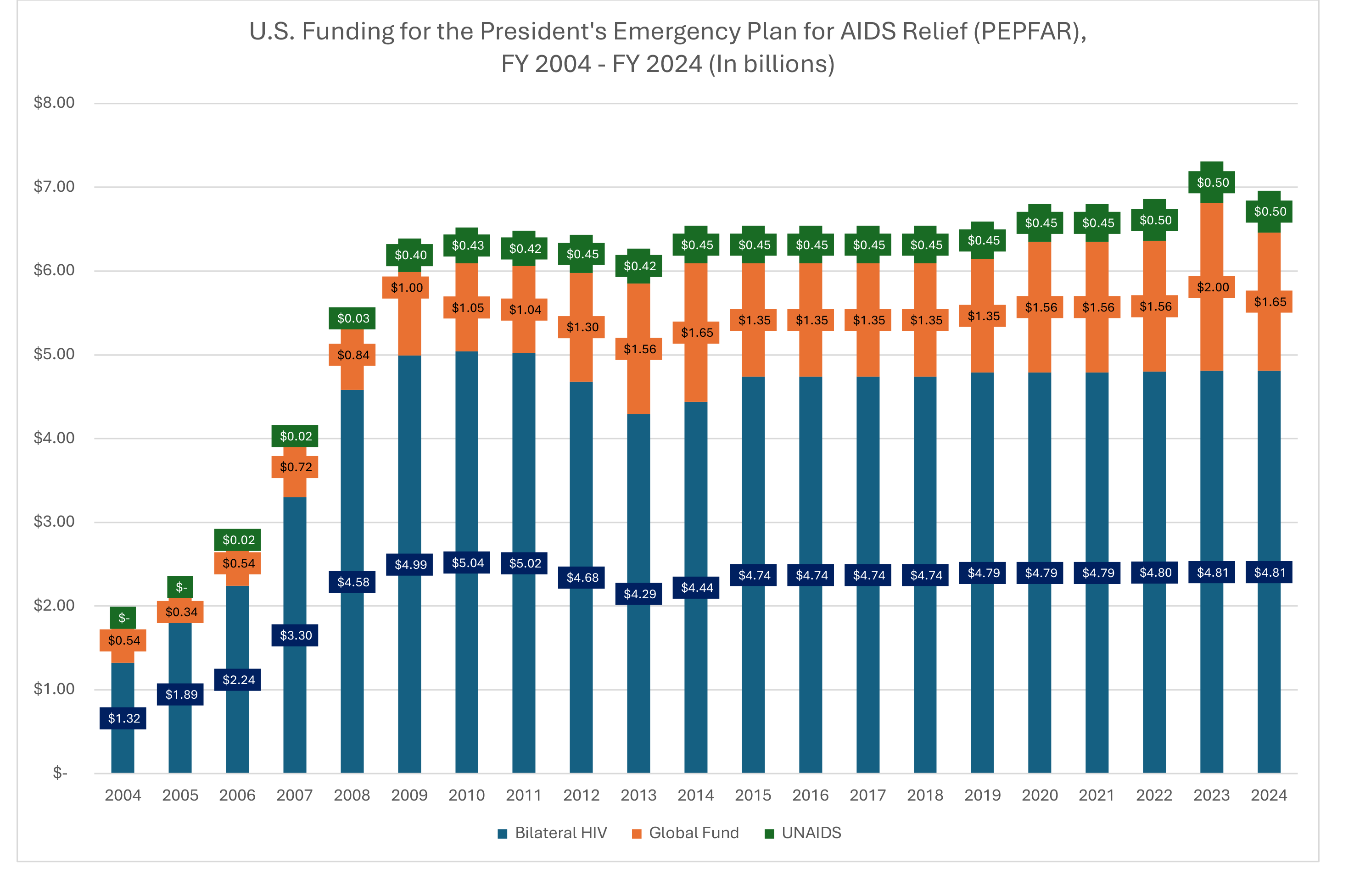
PEPFAR can maximize efficiencies amid flat funding because of innovative, data-driven techniques. These include site-level metrics to track results, field visits, site-based evaluations, and community-level surveys to check data and prevent fraud, waste, and abuse. PEPFAR's cost-saving measures make it a model of humanitarian assistance and government spending – one that should be emulated across federal departments that provide international assistance.
Last week several implementing organizations were able to receive payment for completed work and resumed life-saving programming. Under Secretary of State Marco Rubio’s waiver for PEPFAR, it is vital to ensure the program’s work continues uninterrupted, for disruptions in the program can endanger lives that could have been saved.

